


How to Spot a Fake Before You Buy
The unfortunate reality of any thriving watch market is that counterfeits exist. The good news: with a little knowledge, you can protect yourself. Here's how to shop smart and buy with confidence.
Examine the Dial Closely
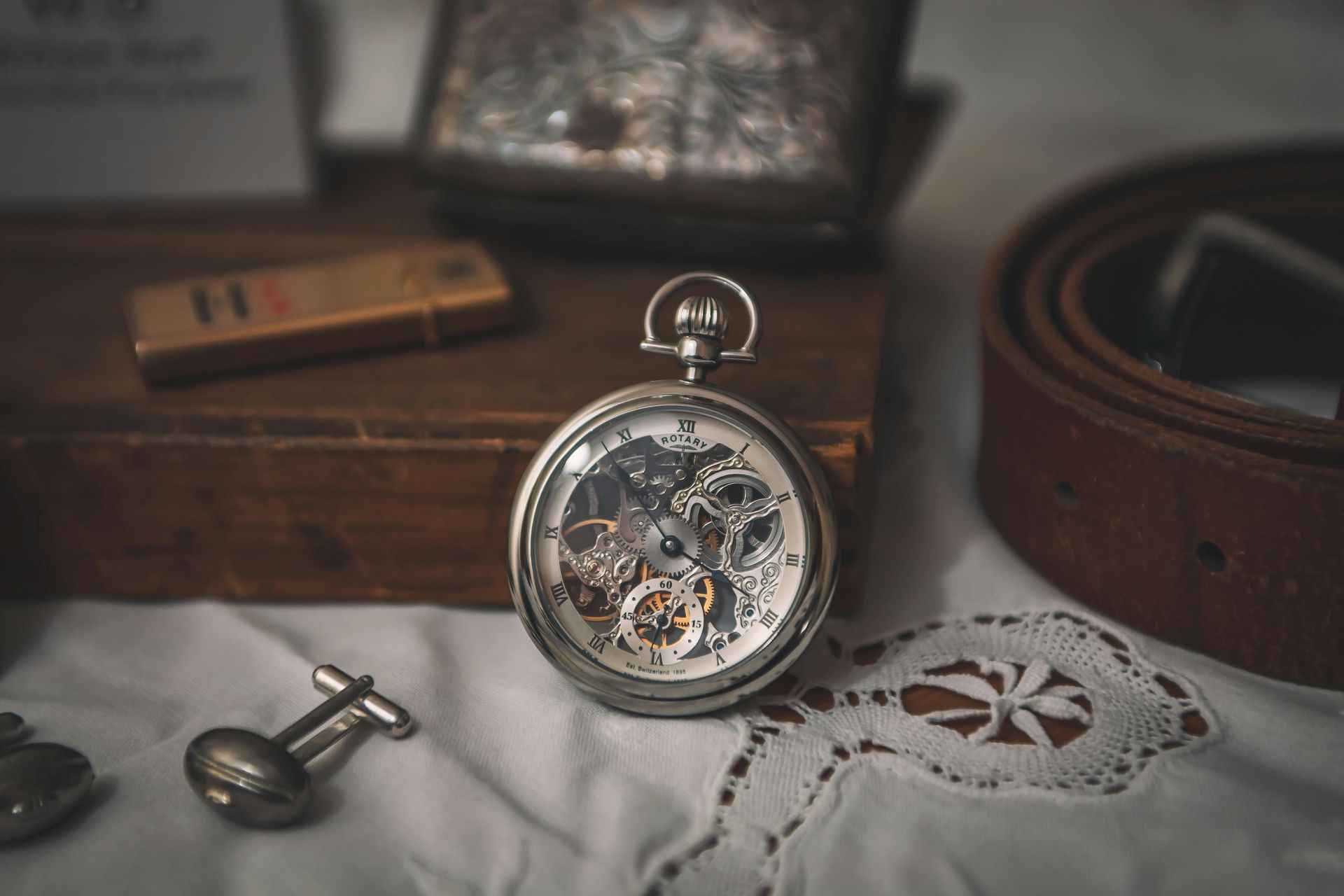
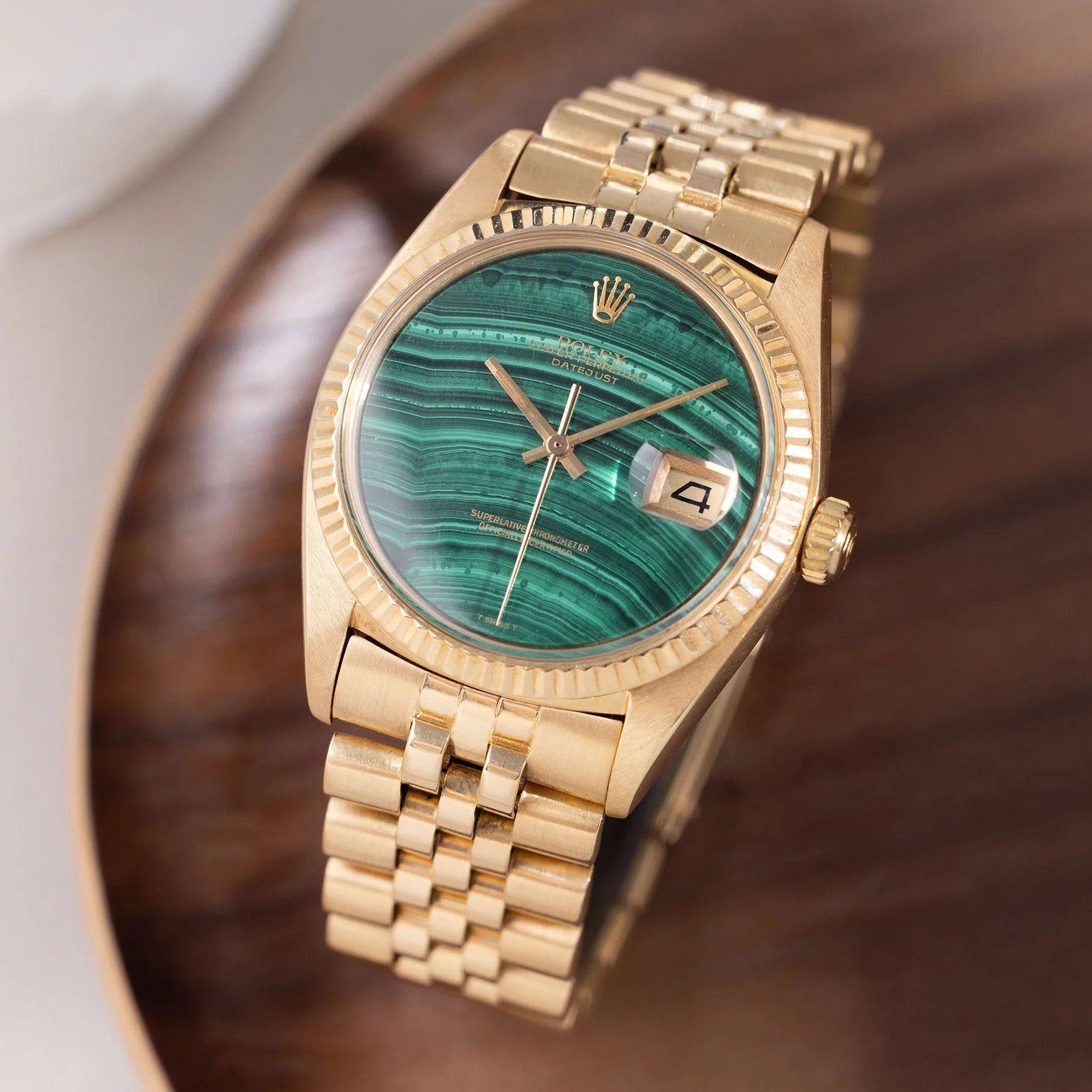
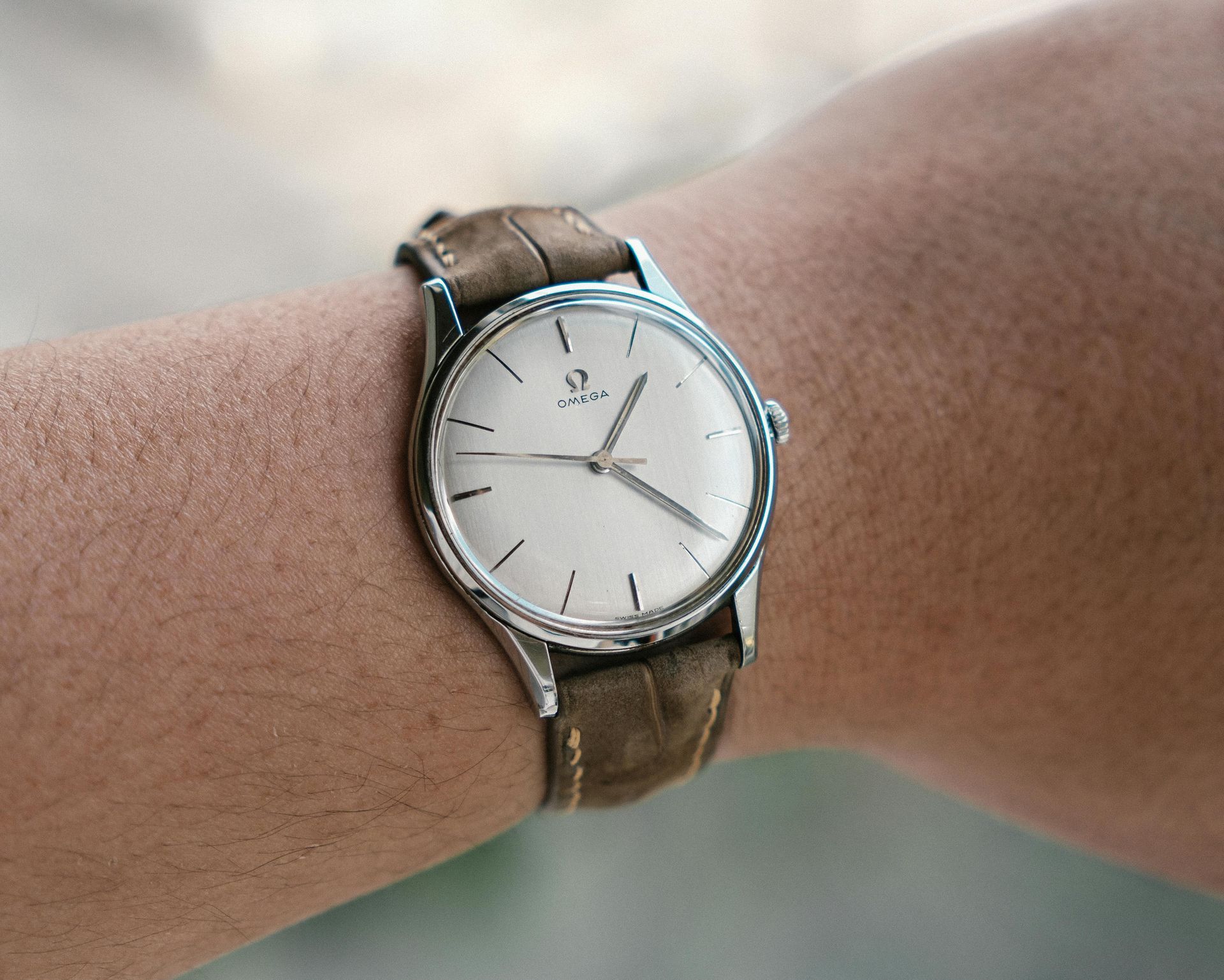
On authentic watches, printed text is crisp, sharp, and perfectly aligned. Logos should be cleanly applied with no smudging, bleeding, or fuzzy edges. Take your time and look under good light — sloppy printing is one of the most common giveaways on a fake.
Check the Weight and Feel
Genuine luxury watches use quality materials — surgical-grade stainless steel, sapphire crystals, solid bracelets. They have a reassuring heft and finish. If a “luxury” watch feels light, hollow, or cheap in the hand, that's a red flag.
Listen to and Watch the Movement
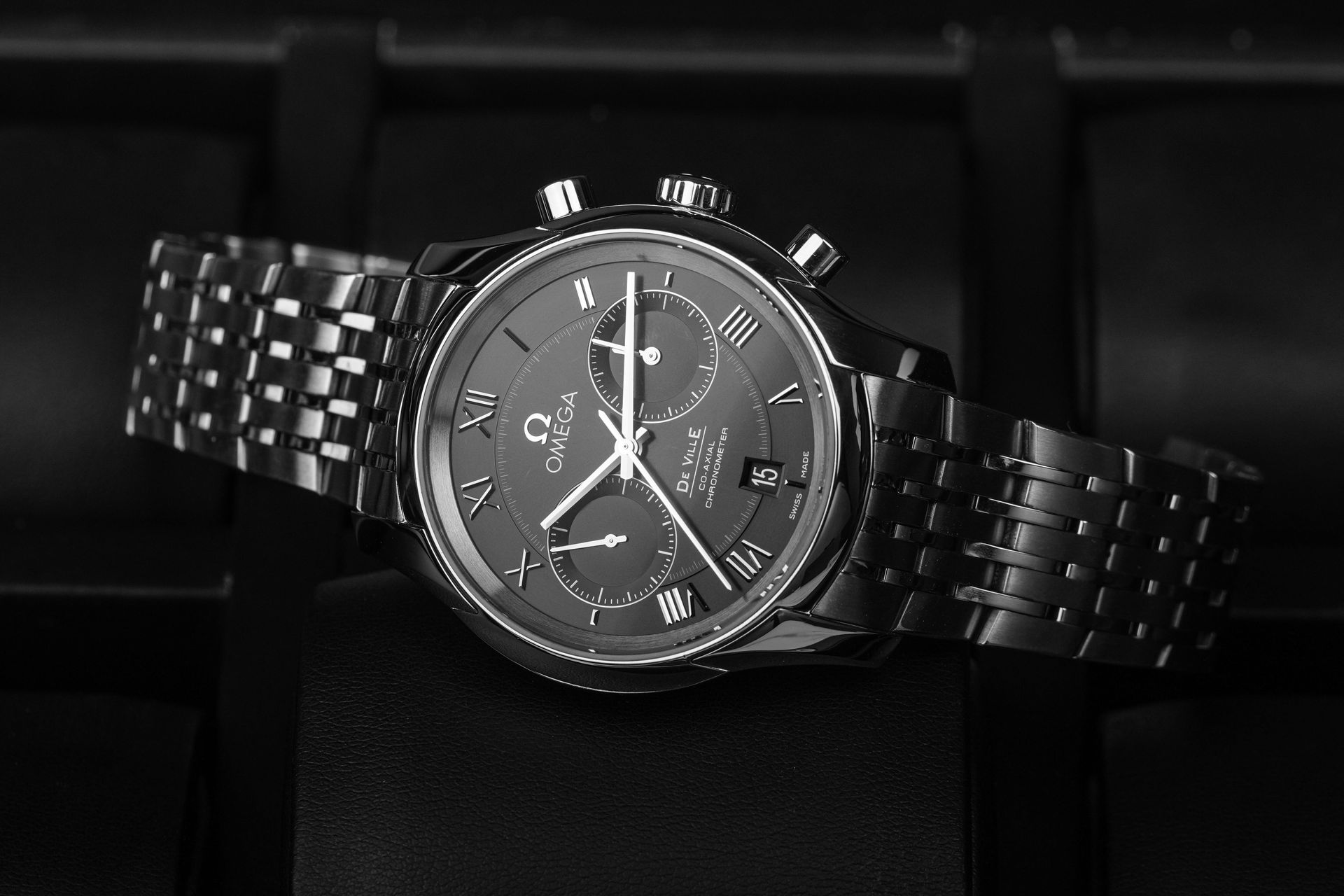
A genuine mechanical movement sweeps smoothly (or ticks at high frequency on automatics). Examine how the seconds hand moves and how functions like the date operate. On chronographs, be especially cautious — quality fakes struggle to replicate fully functional subdials.
Demand Documentation
- Ask for the original box and papers when available.
- Request service records and any authenticity documentation.
- Verify serial and reference numbers match across the watch and paperwork.
- Be wary of any deal that seems too cheap to be true — because it usually is.
Buy From People You Can Look in the Eye
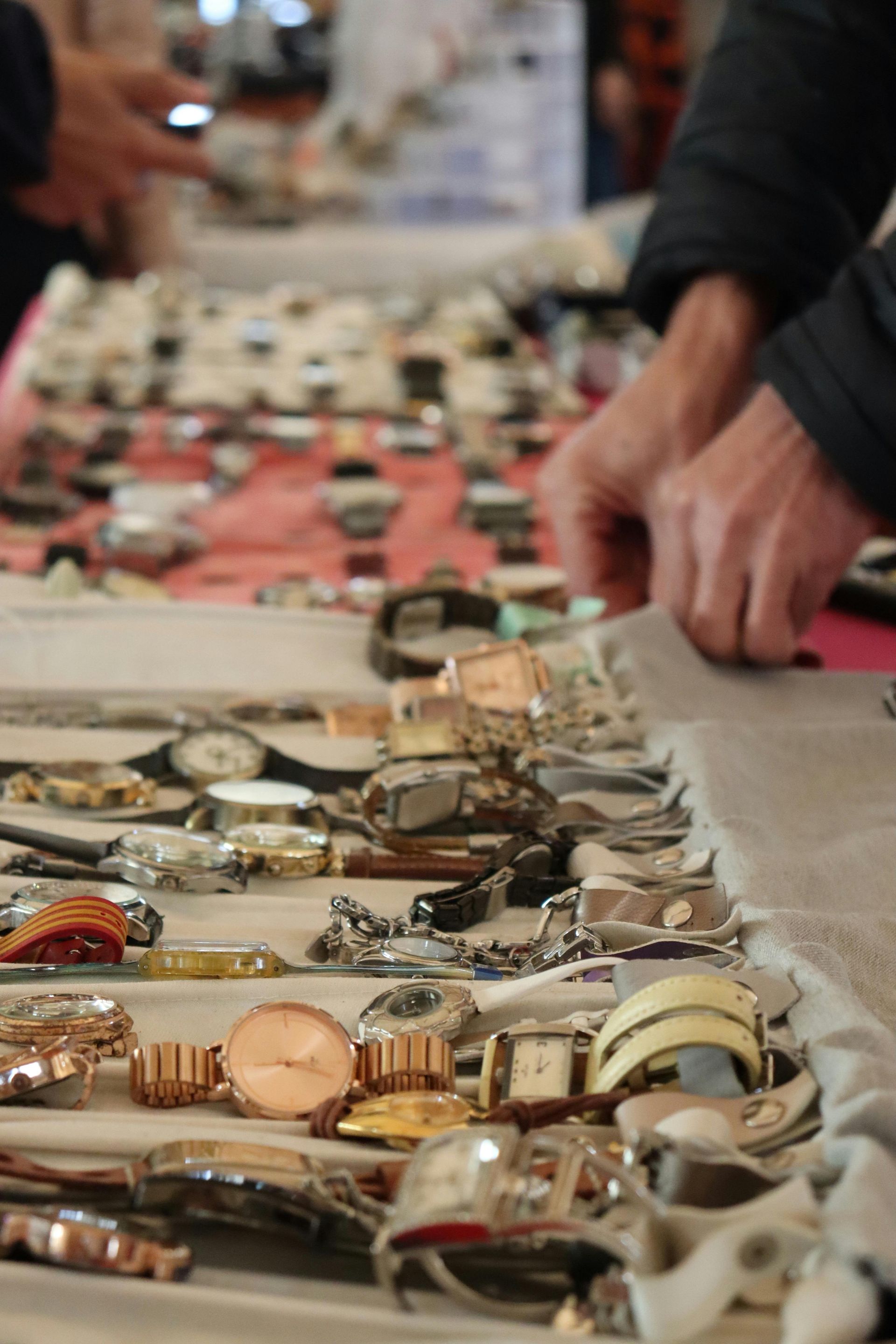
This is the single biggest advantage of buying at a show. You're dealing with real, established dealers face to face — not an anonymous listing online. You can inspect the watch in person, ask questions, and build a relationship with sellers who depend on their reputation. That accountability is priceless.
Shop with confidence. Every dealer at the Philadelphia Watch Trade Show is there in person, ready to answer your questions and stand behind what they sell. Inspect before you buy and deal face to face — August 28 & 29 in Oaks, PA.